

Happy summer! Happy Father’s Day! Happy graduation season! Happy graduation party season!
There’s a lot going on. I’m bracing myself for dozens of forecast requests this week.
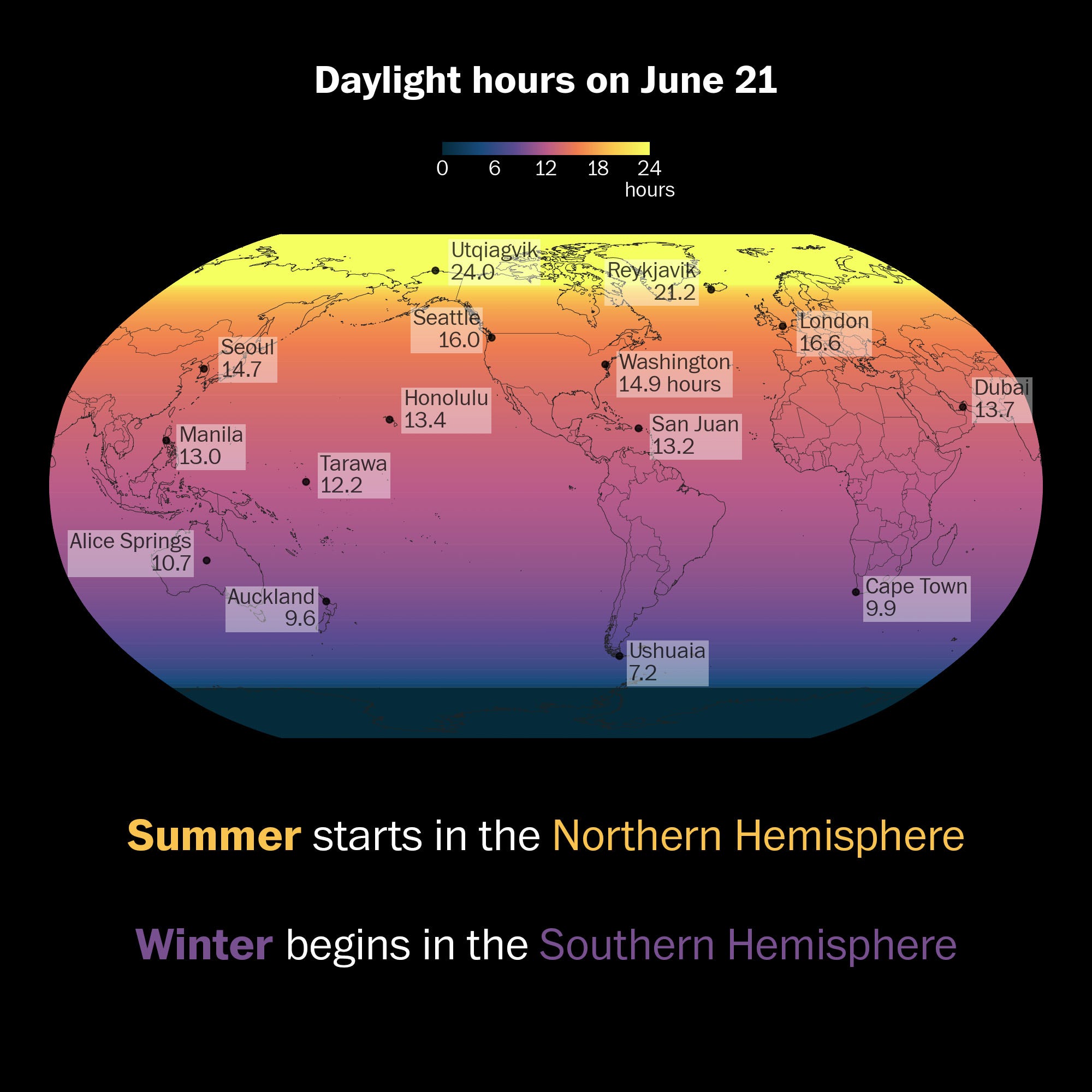
Sunday marks the summer solstice in the Northern Hemisphere, when the sun shines directly above the Tropic of Cancer at noon, concluding its long trek north since the winter solstice. It’s also the day of the year with the most daylight hours, amounting to about 15 hours and 11 minutes in the Hudson Valley.
Enjoy every second! Because it won’t be as nice on Monday.
Here’s what daylight hours look like across the planet.
The week ahead
There’s will be some good and some bad weather this week. It’s too bad all the graduations and parties couldn’t just happen on Wednesday, which confidently looks really good.
The highest chances for precipitation are on Monday and Friday, with moderate chances on Tuesday morning and relatively low chances on Thursday evening.
I’m cautiously optimistic about the weather for next weekend, but keeping an eye on it in case of changes.
Keep an eye on Facebook for graduation weather updates.
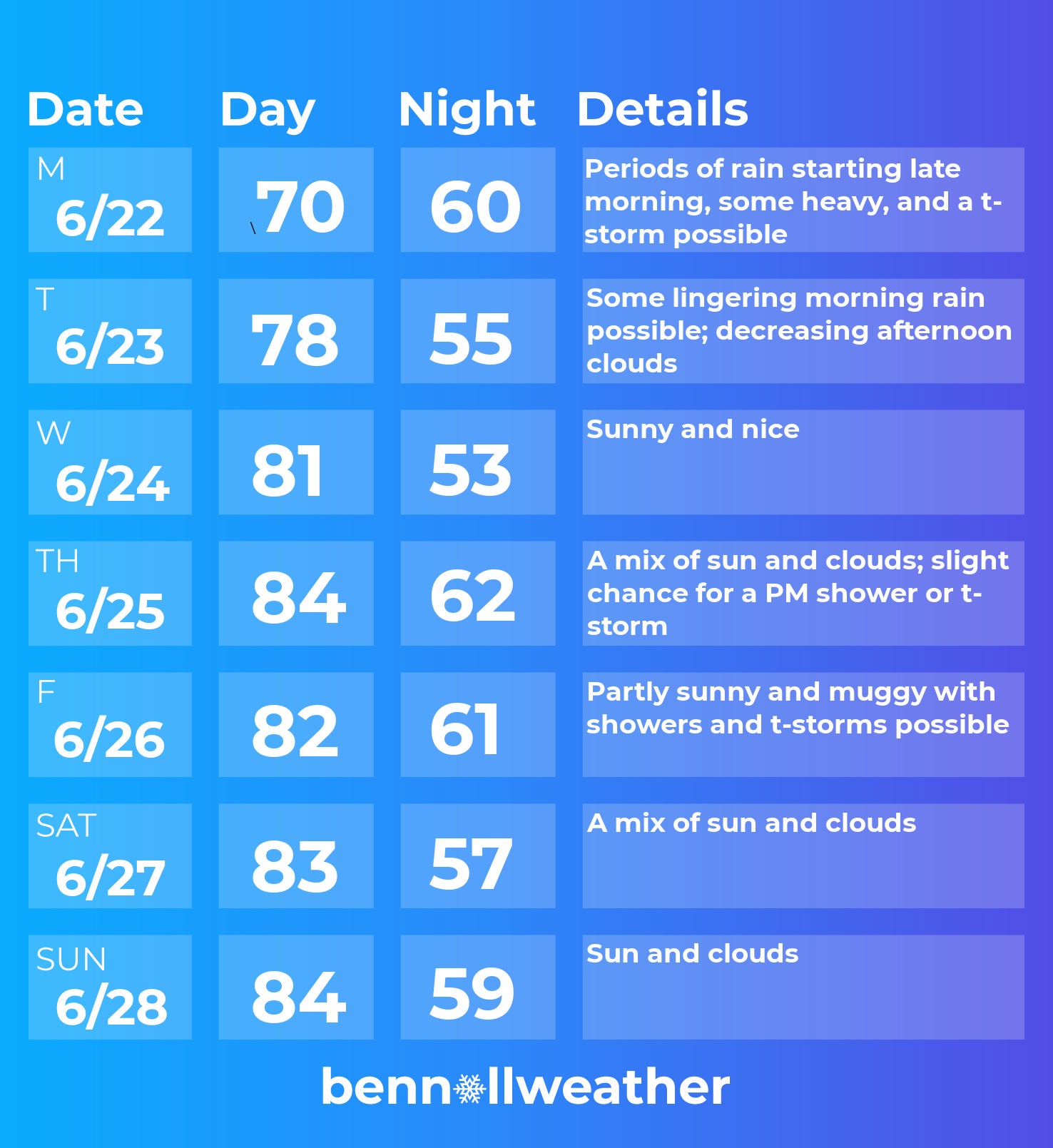
Monday: rainy weather arrives by late morning with a rumble of thunder possible
Tuesday: some rain and drizzle possible during the morning, then clouds give way to sun in the afternoon
Wednesday: the best weather of the week! 🌟
Thursday: another nice day, warm — mostly — a late-day shower or storm can’t be ruled out
Friday: a front will likely bring more humidity as well as showers and thunderstorms
Saturday-Sunday: the weekend weather is currently looking OK, but it’s not set in stone
Looking ahead to the week of June 29, there are signs that it could heat up as high pressure builds.
Celestial happenings
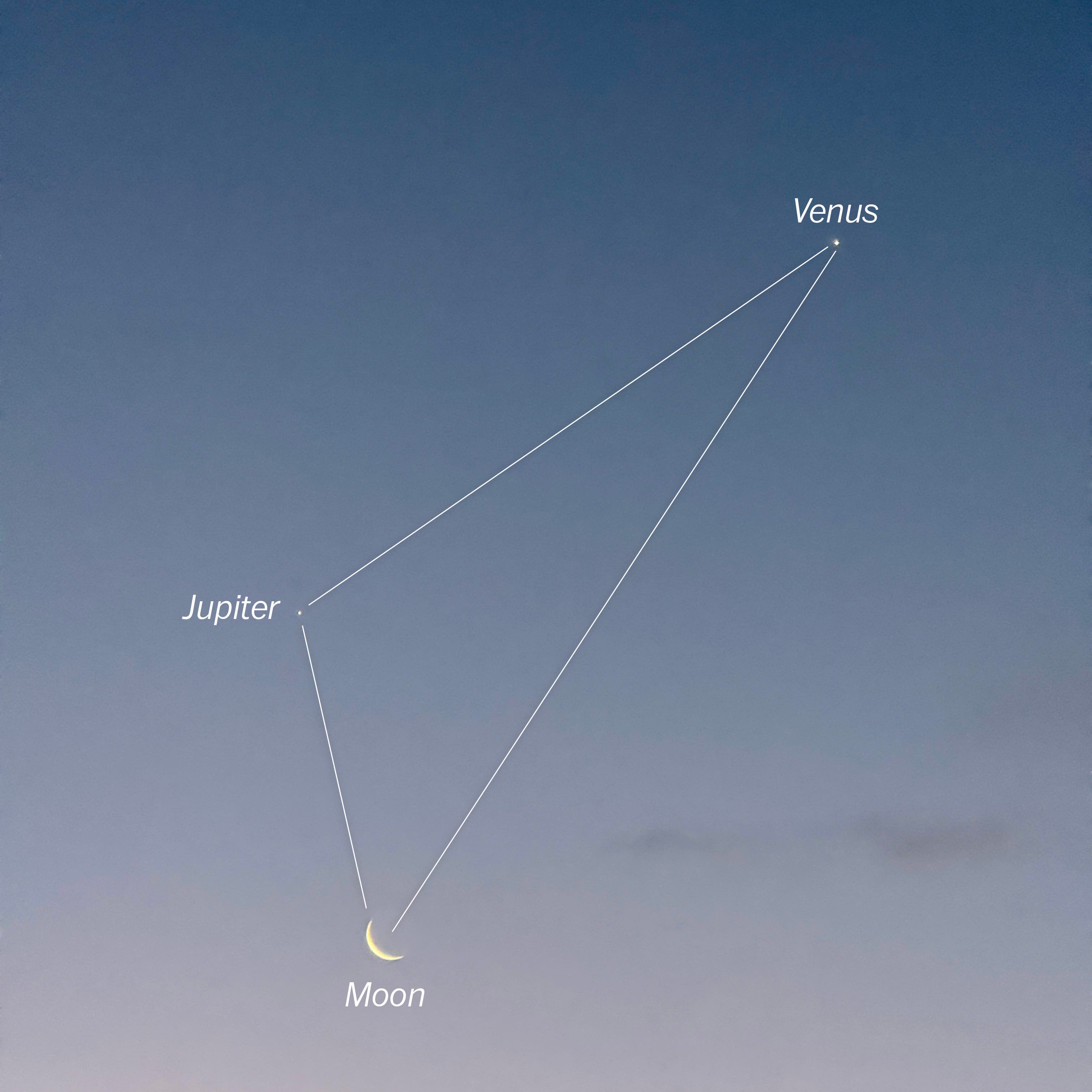
In New Zealand, clear skies this past week allowed for splendid views of the Venus-Jupiter-moon conjunction. They formed a celestial triangle during twilight.
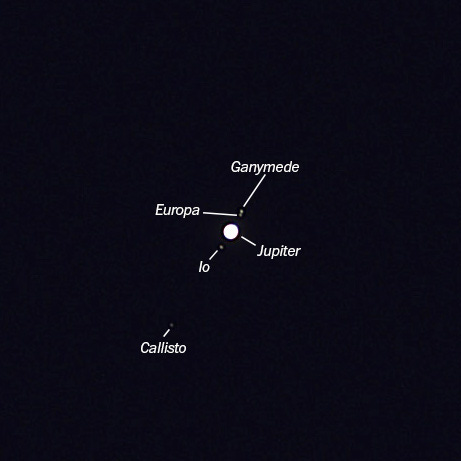
Zooming in on Jupiter, which is currently 570 million miles away from Earth, reveals four of its at least 115 moons.
They appear as tiny specks of light amid the dark abyss.
The average temperature on Jupiter is minus 166 degrees. There must be a lot of two hour delays for frigid temperatures there.
Back on planet Earth, it’s happy summer! ✌️